Medical Laboratory Science Program

The Medical Laboratory Science Program at the University of Nevada, Reno

The University of Nevada, Reno School of Medicine (UNR Med) Medical Laboratory Science (MLS) Certificate Program is a 12-month, post-baccalaureate professional program designed to prepare graduates for careers as Medical Laboratory Scientists. The program was developed by UNR Med and the Department of Pathology and Laboratory Medicine in response to the growing need for highly qualified laboratory professionals throughout Nevada, particularly in rural and frontier communities.

The program combines online didactic instruction with hands-on clinical education at affiliated healthcare laboratories across Nevada. Students develop the knowledge, technical skills, critical thinking, and professional behaviors necessary for entry-level practice as Medical Laboratory Scientists.

Approved by the University in Spring 2026, the program is currently seeking accreditation from the National Accrediting Agency for Clinical Laboratory Sciences (NAACLS). Upon achieving accreditation, graduates will be eligible to sit for the American Society for Clinical Pathology (ASCP) Board of Certification examination, the nationally recognized credential for Medical Laboratory Scientists.

About the Medical Laboratory Science Profession

Medical laboratory scientists are highly skilled healthcare professionals who perform the laboratory testing that is essential for the prevention, diagnosis, treatment, and monitoring of disease. Although they often work behind the scenes, their expertise is fundamental to modern healthcare. Physicians and other healthcare providers rely on the accuracy and timeliness of laboratory results to make informed decisions that directly impact patient care.

It is estimated that approximately 70% of medical decisions are influenced by laboratory test results. Medical laboratory scientists analyze blood, body fluids, tissues, and other patient specimens using sophisticated instrumentation, molecular technologies, and advanced scientific methods. They ensure the quality and reliability of laboratory testing, troubleshoot complex analytical problems, interpret laboratory data, and collaborate with other healthcare professionals to support optimal patient outcomes.

Medical laboratory scientists work in a wide variety of settings, including hospitals, reference laboratories, physician offices, public health laboratories, research institutions, biotechnology companies, forensic laboratories, and the diagnostic industry. The profession offers excellent career opportunities, competitive salaries, and the satisfaction of making a meaningful difference in the lives of patients every day.

As healthcare continues to advance through personalized medicine, molecular diagnostics, and laboratory automation, the demand for knowledgeable and highly trained medical laboratory scientists continues to grow. Graduates of the University of Nevada, Reno Medical Laboratory Science Certificate Program will be prepared to enter this rewarding profession and contribute to improving healthcare throughout Nevada and beyond.

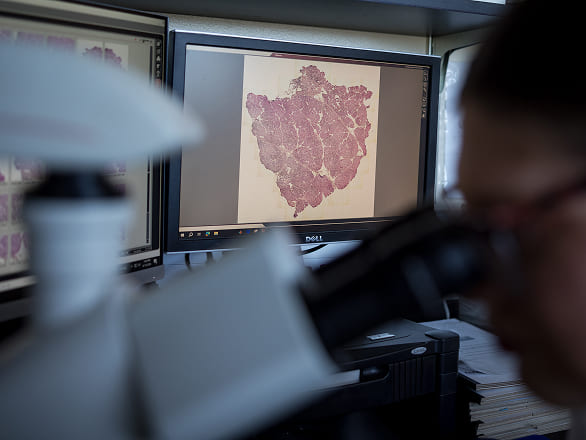
A med student looks into a microscope with the display on monitor in the background

Areas of practice

Medical Laboratory Scientists work in a variety of specialized laboratory departments, including:

  • Clinical Chemistry
  • Hematology and Coagulation
  • Immunology and Serology
  • Immunohematology (Blood Bank)
  • Molecular Diagnostics
  • Urinalysis and Body Fluids
  • Laboratory Management and Quality Assurance

Professionals in these areas are responsible for analyzing specimens, operating and maintaining laboratory instruments, ensuring quality control, troubleshooting technical problems, and correlating laboratory findings with disease processes.

Three laboratory scientists posing together in a laboratory, highlighting teamwork and collaboration

Healthcare team role

Medical Laboratory Scientists are vital members of the healthcare team and collaborate with physicians, nurses, pharmacists, infection prevention specialists, and other healthcare professionals to support patient diagnosis and treatment. Their work contributes to:

  • Detection and diagnosis of disease
  • Monitoring response to therapy
  • Blood transfusion safety
  • Identification of infectious organisms
  • Disease prevention and wellness screening
  • Emergency and trauma care
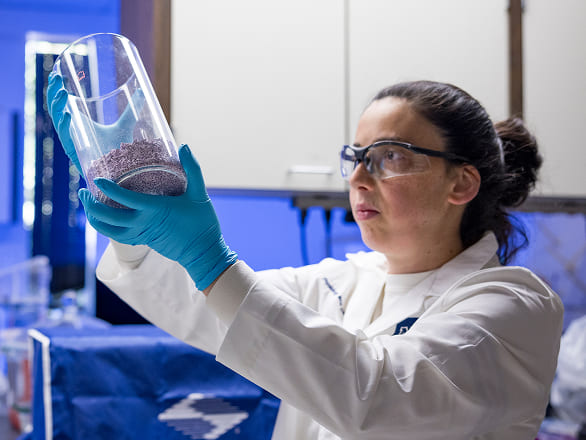
A med student examines a beaker full of something blue

Employment opportunities

Medical Laboratory Scientists are employed in a wide range of settings, including:

  • Hospitals and medical centers
  • Reference and diagnostic laboratories
  • Public health laboratories
  • Physician office laboratories
  • Blood centers
  • Research laboratories
  • Biotechnology and pharmaceutical companies
  • Veterinary laboratories
  • Education and laboratory administration

The profession continues to experience strong demand nationwide due to workforce shortages and the increasing need for laboratory testing in healthcare.

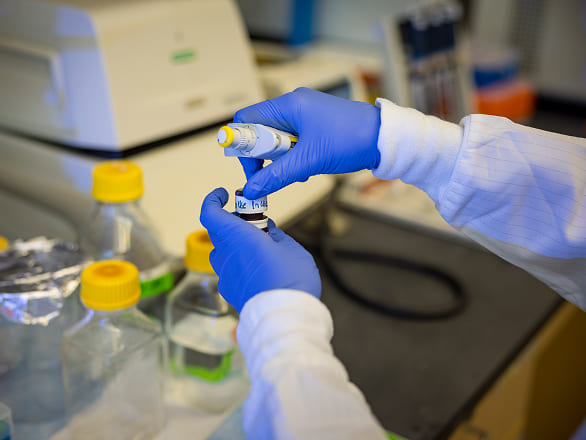
Laboratory professional in safety gloves working on samples

Professional skills and characteristics

Successful Medical Laboratory Scientists possess:

  • Strong scientific and analytical skills
  • Attention to detail and accuracy
  • Critical thinking and problem-solving abilities
  • Technical competency with laboratory instrumentation
  • Effective communication skills
  • Professionalism and ethical behavior
  • Commitment to quality patient care

Program contact information

Daniel Mockler, M.D., FCAP

Associate Professor, Pathology and Laboratory Medicine
Director of Medical Laboratory Education
Email: dmockler@unr.edu

Silvia Amaro

Administrative Assistant 4, Surgery and Pathology & Lab Medicine
Email: samaro@med.unr.edu

Terry Kotrla, MS, MLS(ASCP)BB

Accreditation Consultant
Email: tkotrla@unr.edu

Professional Licensure Disclosure

Per Federal Title 34.668.43 (a)(5)(v) & (c) the University must make certain disclosures regarding programs that lead to professional licensure or certification.